Businesses have several ways to attract people online, but SEO and paid advertising remain two of the most widely used approaches. Although both can bring visitors to a website, they operate differently. At Digital Kora, a trusted institute for Digital Marketing Course in Kammanahalli, students learn how these approaches work and how marketers can select strategies according to specific campaign objectives.
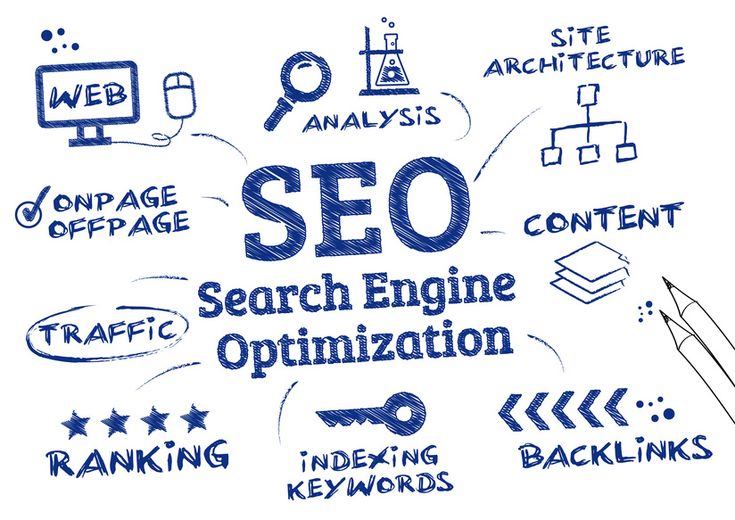
SEO focuses on improving a website so that it can appear more prominently in unpaid search results. This involves understanding search intent, selecting relevant keywords, improving website content, optimising technical elements, building authority, and creating useful resources for visitors.
SEO is generally a gradual process. A website may need consistent optimisation and quality content before meaningful improvements become visible. However, successful organic visibility can continue attracting relevant visitors without paying for each individual visit. Our Digital Marketing Course in Kammanahalli introduces students to the practical processes involved in developing and maintaining search visibility.
Paid advertising takes a different route. Platforms such as Google Ads and Meta Ads allow businesses to place promotional messages in front of selected audiences based on factors such as searches, interests, demographics, location, and online behaviour.
One of the biggest advantages of paid campaigns is speed. A properly configured campaign can begin generating impressions and visits shortly after launch. However, advertising expenditure continues as long as the business wants to maintain the campaign. Performance therefore depends on factors such as targeting, creative quality, bidding, landing-page experience, and conversion tracking.
The key difference is not simply whether one costs money and the other does not. The two strategies operate on different timelines and provide different forms of control.
SEO is generally suited to businesses seeking sustained organic visibility and a stronger search presence over time. Paid advertising provides greater control over when an advertisement appears, who sees it, and how quickly traffic can be generated.
For marketers, the more useful question is often how both approaches can complement one another. Paid campaigns can provide immediate data about keywords, audiences, and offers, while SEO can build organic visibility around valuable search topics over the longer term.
There is no universal approach that works identically for every business. A new product launch, for example, may require rapid exposure, while a long-term content strategy may focus more heavily on organic search growth. Budget, competition, industry, customer behaviour, and campaign goals all influence the decision.
At Digital Kora, our Digital Marketing Course in Kammanahalli helps learners understand these differences through practical digital marketing concepts. Students can develop skills related to keyword research, website optimisation, content strategy, search advertising, campaign analysis, and performance measurement.
SEO and paid advertising should not always be viewed as competing methods. When planned carefully, they can contribute to different stages of a digital marketing strategy. Understanding where each method fits allows marketers to make decisions based on objectives, available resources, audience behaviour, and measurable results.
For aspiring marketers, learning both organic and paid acquisition methods can provide a broader understanding of how businesses attract and convert online audiences.